
Georgetown County Busted Booking Records
The Georgetown County Detention Center, or GCDC, takes people after a busted arrest anywhere in the county. Georgetown City Police show up on the cards. So do Andrews Police and the sheriff's own deputies. The jail holds everyone regardless of which agency made the stop. For the public window into that system, the sheriff's Booking and Release page is the place to start. A card there can hold plenty of detail. Expect a booking photo, the person's name and age, the booking time, the arresting agency, the charges as booked, and bond once it posts. The trail begins at intake, where GCDC photographs and fingerprints each person. The card may then appear in the public roster. Later changes, like a release or a shifted charge, show up in the court file instead.
Important: A booking card is a jail record of an intake, not a court outcome.
Georgetown County Booking Record Fields
The official card carries enough detail to separate people who share a name. Check the date of birth or age. Match it against the booking time and the arresting agency whenever those fields appear. That combination narrows the results fast. Keep one limit in mind. The charge text and bond figures describe only what the booking officer had in hand at intake, so the court docket remains the place to follow what happens after.
| Field | What it can show |
|---|---|
| Name and identifying details | Name, sex, age, and date of birth on the listed booking card. |
| Booking photo | A front image on current official cards, linked at the source rather than copied here. |
| Booking and release timing | Intake date and time, plus release date and time where a release is shown. |
| Agency and charges | The arresting agency and charge descriptions as they were booked. |
| Bond | A posted bond field when Bond Court paperwork has reached intake staff. |
Where does the county's own data live? The GCSO Booking and Release interface is the place to look. It shows which booking photos are open to the public, straight from the source. Treat those official cards as the final word. Anything found outside that setting deserves skepticism, so weigh unofficial claims carefully before trusting what they say exists and what does not.
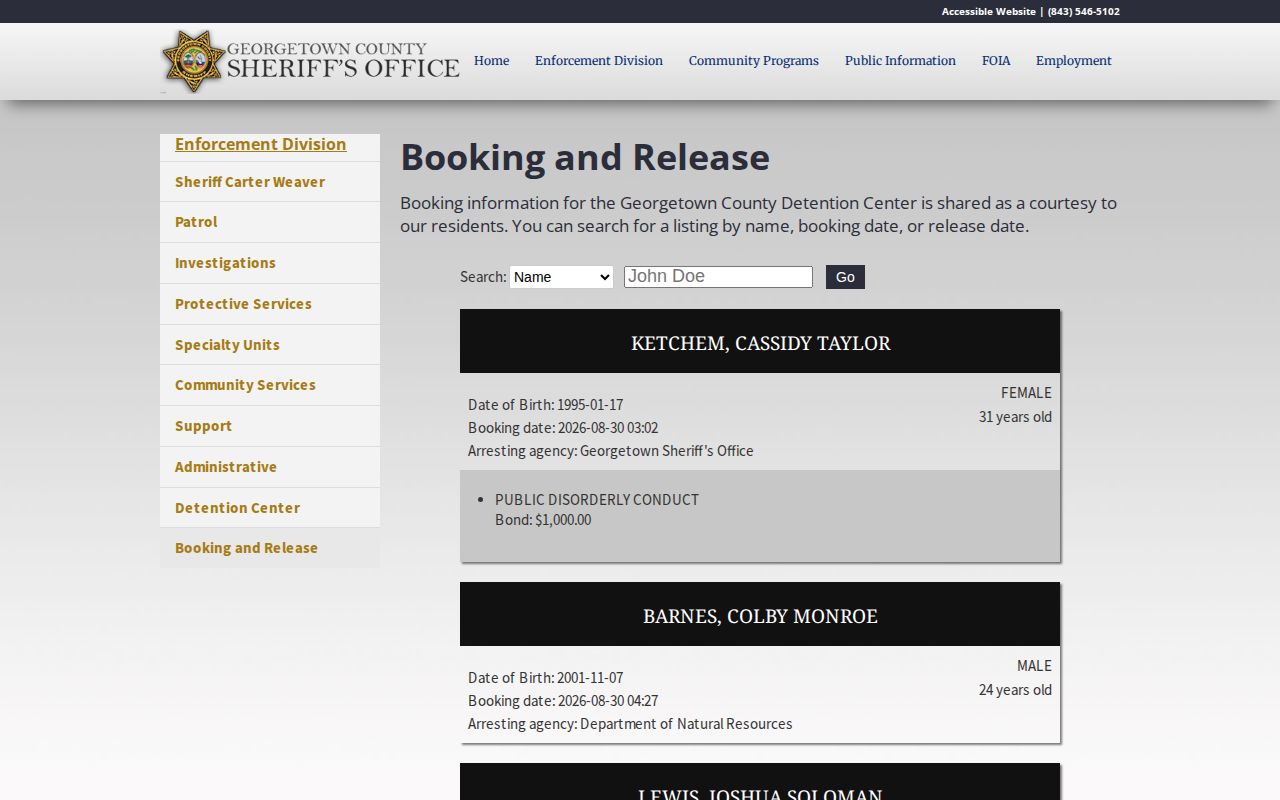
The roster screen splits its search paths for a reason. Name, booking date, and release date each answer a different custody question, so pick the field that matches what you actually want to know.
Georgetown County Busted Record Timing
Fresh Georgetown County results can look half-finished. There is a reason. GCDC explains that charges post only after the arresting agency serves the warrants. Bond figures wait until Bond Court paperwork reaches the booking officer. A blank space means the paperwork trail is still moving, not that you should guess from rumor or an unofficial site. Check the official card again instead. The municipal court schedule shows how this lag plays out. Georgetown Municipal Bond Court sits at 11 a.m. each day, per GCDC. Andrews Municipal Bond Court convenes at 10:30 a.m. and again at 2 p.m. A bond can appear after one of those sessions, though the jail sets none of it. GCDC holds people; the court handles bond, disposition, and release decisions. Note: GCSO makes no real-time refresh promise, so verify date-filtered results against the live official record when timing matters.
Georgetown County Busted Record Requests
Need something older, clearer, or certified? Go through the sheriff's formal request route. The GCSO FOIA page offers an online form plus a mail option: FOIA Request, Georgetown County Sheriff's Office, P.O. Box 1292, Georgetown, SC 29442. Ask for the booking record and, if releasable, the booking photograph. Include the full name, an approximate arrest or booking date, and the arresting agency if you know it. The more precise the request, the faster the custodian can find the right material.
- Check the official GCDC card first and save the booking date, agency, and other locating details.
- Use the GCSO form or a written request to identify the specific booking record and photo sought.
- Wait for the agency's determination, which may involve redaction, an exemption review, or an estimate.
- Use the court record separately for the case outcome, rather than treating the requested jail record as the final answer.
Pulling an actual copy costs money. GCSO charges $20 an hour for staff time, $0.35 per page, and $5 per disc when photos, audio, or video come on CD or DVD, with postage added in some cases. A 25 percent deposit on the estimated total may also be required before work begins. Looking is free, though. Anyone can view a current booking card in the roster without paying anything, since those fees only cover retrieval of copies. The broader rules on response times and exemptions come from South Carolina's public-records law.
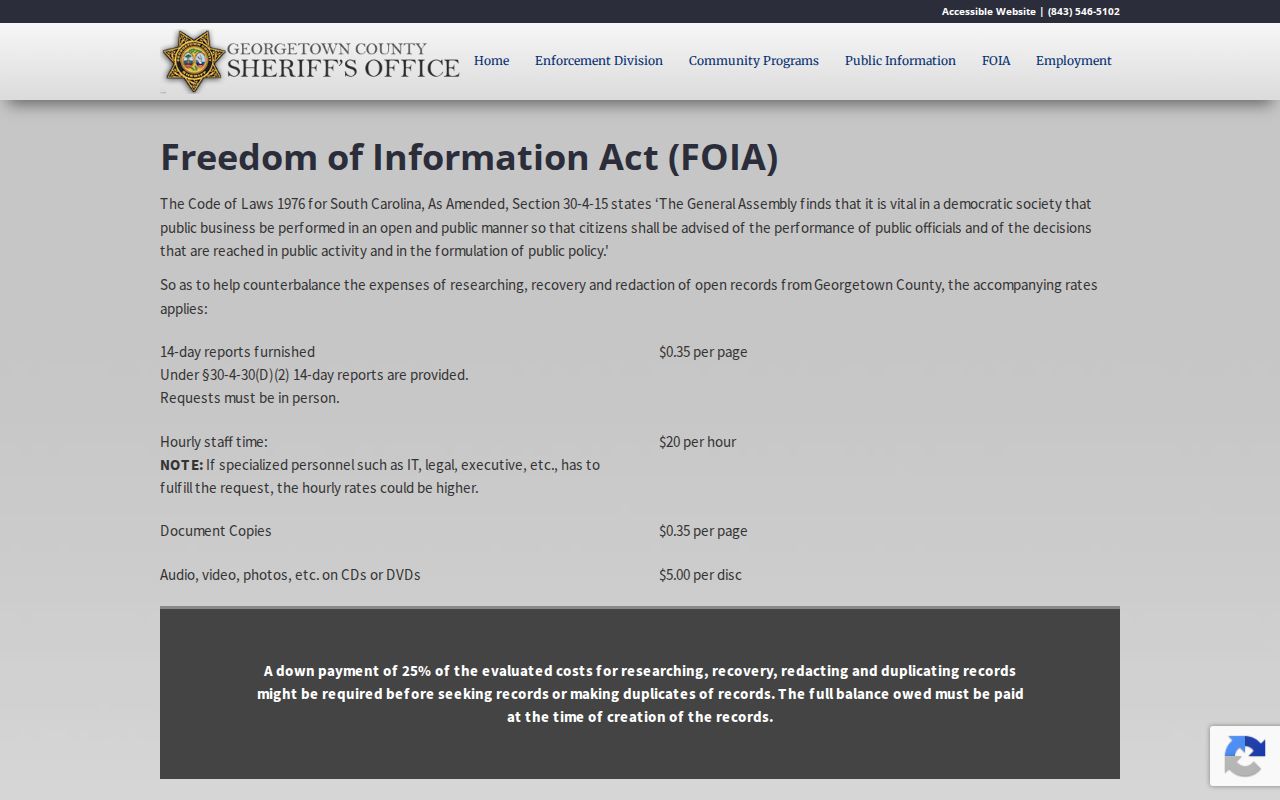
When you need a specific GCDC record, the agency form is the right route. Just know it does not promise release of every item you ask for.
South Carolina Busted Mugshot Rules
South Carolina's public-records law starts at Title 30, Chapter 4. It lets anyone ask the proper custodian for records. Limits still apply, though: exemptions, privacy protections, active matters, and redaction all come into play. For a GCDC booking, GCSO holds the custodian role. A city police incident report sits with a different office entirely. The South Carolina arrest-record law also matters once a case changes course. Two state statutes shape what happens next. Section 17-1-60 forbids covered publishers from charging fees to remove, revise, or withhold covered booking material. It uses a no-fee process built on certified-mail notice and certified documentation when its conditions apply. Section 17-1-40 covers destruction or sealed retention after a qualifying expungement. Neither erases every accurate news story or official file. Expungement paths vary by offense and court. Start with the Judicial Branch expungement process, then confirm the route with the court or solicitor. Corrections begin with the official source. If a GCDC record is wrong, contact GCSO about that specific entry. Once an official or court correction lands, several publishers offer no-fee takedown paths. Recently Booked has a correction and removal policy. Mugshots.com runs a record-maintenance process. BustedNewspaper provides a no-fee listing form. None of this is legal advice, and none guarantees removal. One warning worth heeding: never pay an outside outfit promising to make a public arrest record vanish.
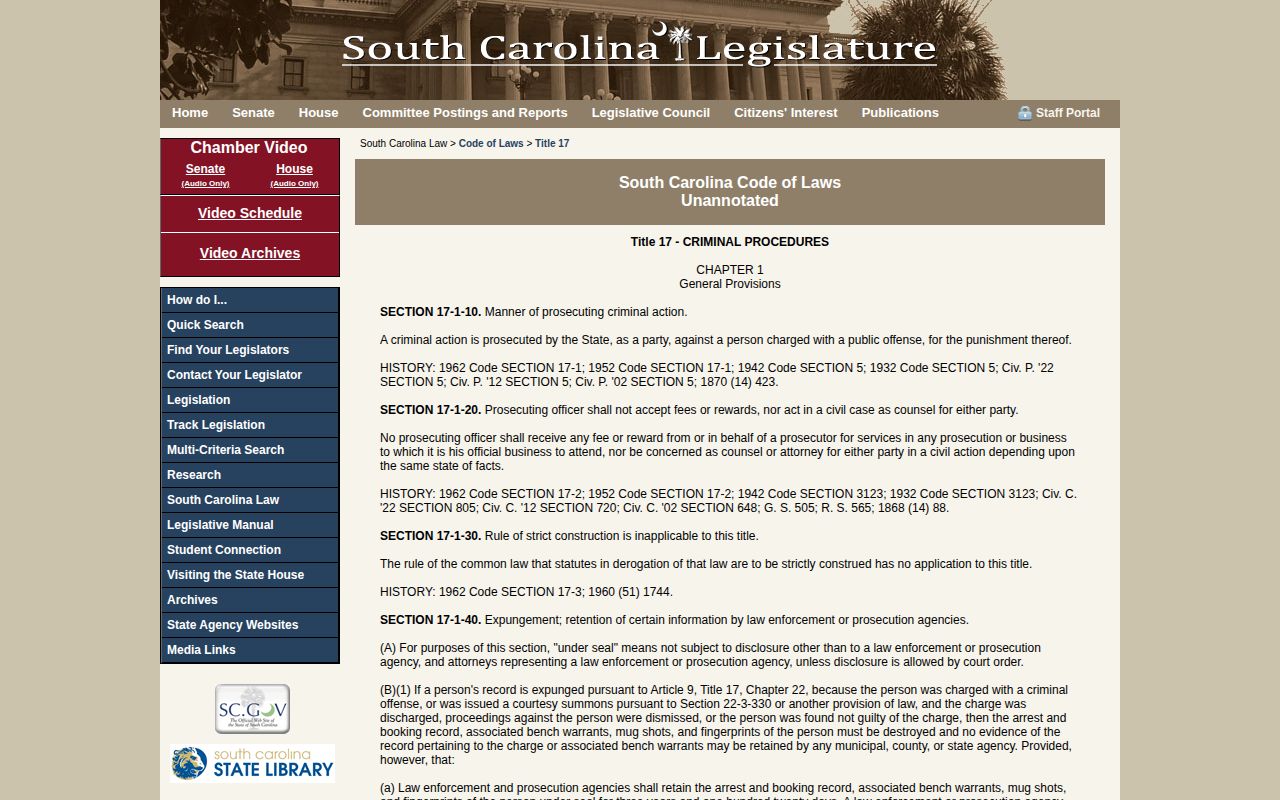
South Carolina law keeps this simple. The state code sets the no-fee rule. It also draws a line between an eligible correction request and any promise about wiping out every online mention. That distinction is worth knowing before you act.
Find Georgetown County Busted Mugshots
Start with GCDC whenever the question involves a booking, current custody, or a recent release. Type the person's full legal name first. If the arrest just happened, search by booking date instead. Wondering whether the detention center logged a release? Use the release-date search. Then check the agency and identifying fields against what you know. Staying anchored to the office that runs the detention record beats jumping to outside sites.
- Search GCSO Booking and Release by name, then use the booking or release date when it fits the question.
- Call GCDC at 843-545-3400 for a current-custody question that the live page does not resolve.
- Submit a GCSO FOIA request for a historic or formal booking record.
- Check the court record for the disposition, or use SCDC or a federal locator only when that later custody state applies.
A city arrest does not always end in a jail booking. Georgetown County police activity can close out many other ways. A report, a citation, a summons, or a transfer are all possible. So an empty GCDC result tells you only one thing: no booking card exists there. Treat that gap carefully. Never use it to guess about a protected or expunged record.
Georgetown County Busted Mugshot Sources
Match the source to the custody situation. GCDC is the official county home for booking and release cards. GCSO FOIA is the formal records route. Case events and dispositions belong to the court index. SCDC covers someone serving a current state-prison sentence, not a fresh local arrest. News reports and outside sites add context, but they cannot tell you current custody or the final legal outcome.
| Channel | Photo or record scope | How to use it |
|---|---|---|
| GCSO Booking and Release | Official GCDC cards, including current front photos where posted. | Start here for booked, in-custody, and release-date searches. |
| GCSO FOIA | Specific GCDC record or photo if releasable. | Use for an older or formal record request. |
| Georgetown Public Index | Court charges, events, and disposition. | Use after booking to see what happened in court. |
| SCDC Inmate Search | Current state-prison profiles and photos where published. | Use only for a person currently sentenced to and held by SCDC. |
| Local news and outside county pages | Story context or secondary postings. | Check against the official source and court record before relying on it. |
Third-party county pages show up in local search results. They sit a step behind the official record, though, and often lag badly. Recently Booked's Georgetown County node has shown inconsistent freshness signals. Mugshots.com keeps a county category that reads mostly historical. BustedNewspaper's Georgetown hub loads no page at all. No verified Georgetown County node exists for Mugshots.zone. None of these can stand in for GCDC.
Georgetown County Busted Roster Search
The GCDC roster puts booking and release data on a single page. There is no separate jail-roster site or arrest log. You can search by name, booking date, or release date. Run the date filters one day at a time. When a match appears, compare age, date of birth, booking time, and arresting agency before concluding it is the right person. That beats trusting a name alone, every time.
| Search field | Best use | Limit |
|---|---|---|
| Name | Starting point when the spelling is known. | Names can be shared or entered differently. |
| Booking date | Reported fresh GCDC intake. | It is a date filter, not a real-time promise. |
| Release date | Recorded GCDC release. | It does not state why the person was released or decide the case. |
Current official cards display a front booking photo to the public. Link to the roster rather than copying the image. GCSO posts no guaranteed visible-day limit and no refresh schedule. Older cards have appeared on the portal. That persistence is an observation, though, not a retention promise from the agency.
Note: A release search shows whether GCDC logged a release, while a court search shows whether the case was dismissed, changed, or resolved.
Recent Georgetown County Busted Bookings
GCSO does not publish a today's bookings page, a rolling 48-hour report, or a weekly arrest log. The practical same-day view is the Booking and Release page with the booking-date filter set to that date. Covering several days means repeating the search for each one. The release-date filter gives a complementary release view, nothing more.
The distinction matters most on weekends and during busy stretches. A visible card can mark a fresh booking or a release record. Fields may lag behind warrant service or Bond Court paperwork. The GCSO News Archive collects selected agency releases separately. It can explain a major event. Still, it is not a full booking feed and cannot prove anyone remains in custody.
Georgetown County Booking Alerts
Each GCSO online tool does one job. Booking and Release serves as the roster and public photo source. The Georgetown Co SC Sheriff app is different. It handles Citizen Observer communications and anonymous tips. Its published description lists no search by name, booking date, release date, or booking photo, and the sheriff's OffenderWatch promotion covers registry notifications, not jail records.
Send tips and get agency updates through the official Georgetown Co SC Sheriff app or the agency's published channels. For custody status, go back to GCDC. CodeRED is a county emergency-alert tool, not an arrest or release notification system. Keeping these tools straight stops a notification service from masquerading as an official roster.
Georgetown County Busted Custody Path
A record can travel from county intake to release, to court, to state prison, or into a separate federal system. Where the person sits decides which source helps. Someone can be arrested by a municipal officer, booked at GCDC, released from GCDC, and then turn up in a court case. A state sentence changes the records custodian once again.
| Custody or record state | Best source | What it does not establish |
|---|---|---|
| Just booked or held at GCDC | GCSO Booking and Release | A final court result. |
| Released from GCDC | Release-date search or GCSO FOIA | The reason for release or case disposition. |
| Current state-prison sentence | SCDC Inmate Search | A new Georgetown County arrest notice. |
| Federal or immigration custody | The appropriate federal or ICE locator | A county jail record or public booking-photo service. |
SCDC updates its locator population as of the previous midnight. That is one real limit. The locator also leaves out people released from SCDC, county-sentenced people, those on community supervision, juveniles, and current SCDC fugitives. So a blank state-prison search says nothing about a fresh GCDC booking. Check the county source for that question.
Georgetown County Booking Court Outcomes
Want to know how a case turned out? The Georgetown Public Index lists the caption, the charge, and every scheduled event. The detention center plays no part in that decision. GCDC says so itself. It does not set bond, decide a disposition, or announce a release date. A bond figure or a release card is simply a fact about custody, nothing more.
For court copies, go to the Clerk of Court at 401 Cleland Street, Georgetown, SC 29440, or call 843-545-3215. That office handles anything tied to a court file. Sealed or confidential material may be off limits. Charges can also shrink, vanish with a dismissal, or resolve through a plea, so the booking line is only the first chapter of any Georgetown County arrest record.
A roster card is a custody snapshot, not a court record. The disposition tells the real story of a Georgetown County case.
Georgetown County Busted Record Limits
Some records are off limits by design. South Carolina juvenile confidentiality rules shield anything that identifies a child, and the SCDC locator leaves juvenile data out entirely. An expungement that qualifies goes further still. It can require destruction of the booking record, the photo, the fingerprints, and related materials, with only narrow sealed retention allowed in specified circumstances. A search that comes back blank proves nothing about why a protected record is missing.
- Booking
- Jail intake after an arrest, including identification, processing, and often a photo.
- Bond
- A court-set condition that can affect release; it is not a finding about the charge.
- Disposition
- The court's later resolution of a case, such as dismissal, plea, acquittal, or sentence.
- Expungement
- A legal process that can remove a qualifying matter from public access and direct destruction or sealing of related records.
Georgetown County Detention Record Changes
A new detention center is coming. County and sheriff materials document the project along with a 2024 groundbreaking, though no opening date, roster address, or replacement portal has been announced. Until then, the GCSO Booking and Release page stays the live source for Georgetown County bookings. Verify any phone, address, or workflow with GCSO directly rather than trusting an older reference.
The current GCDC facility sits at 2394 Browns Ferry Road. It is a county detention center, not a state prison. Its mission covers booking anyone arrested across Georgetown County. From there it holds pretrial and sentenced people plus some state or federal prisoners assigned there. That countywide role explains why an arrest by a city officer can still end up on a GCDC card.
Georgetown County Busted Record Archives
Finding an old search result online does not mean the record is still public or releasable. South Carolina's county retention schedule treats booking reports, inmate records, criminal history, jail books, and mug shots differently. A schedule manages records. It does not promise GCDC still holds a given image. For a specific historic county booking, GCSO FOIA is the right first request.
Material may also have left normal county hands. Search the SCDAH advanced catalog using Georgetown County plus record-type terms, then ask the Archives research staff whether a series exists and is open. Expunged, sealed, destroyed, or still-local items can be unavailable. Historic state-corrections holdings are no substitute for a modern GCDC booking search either.
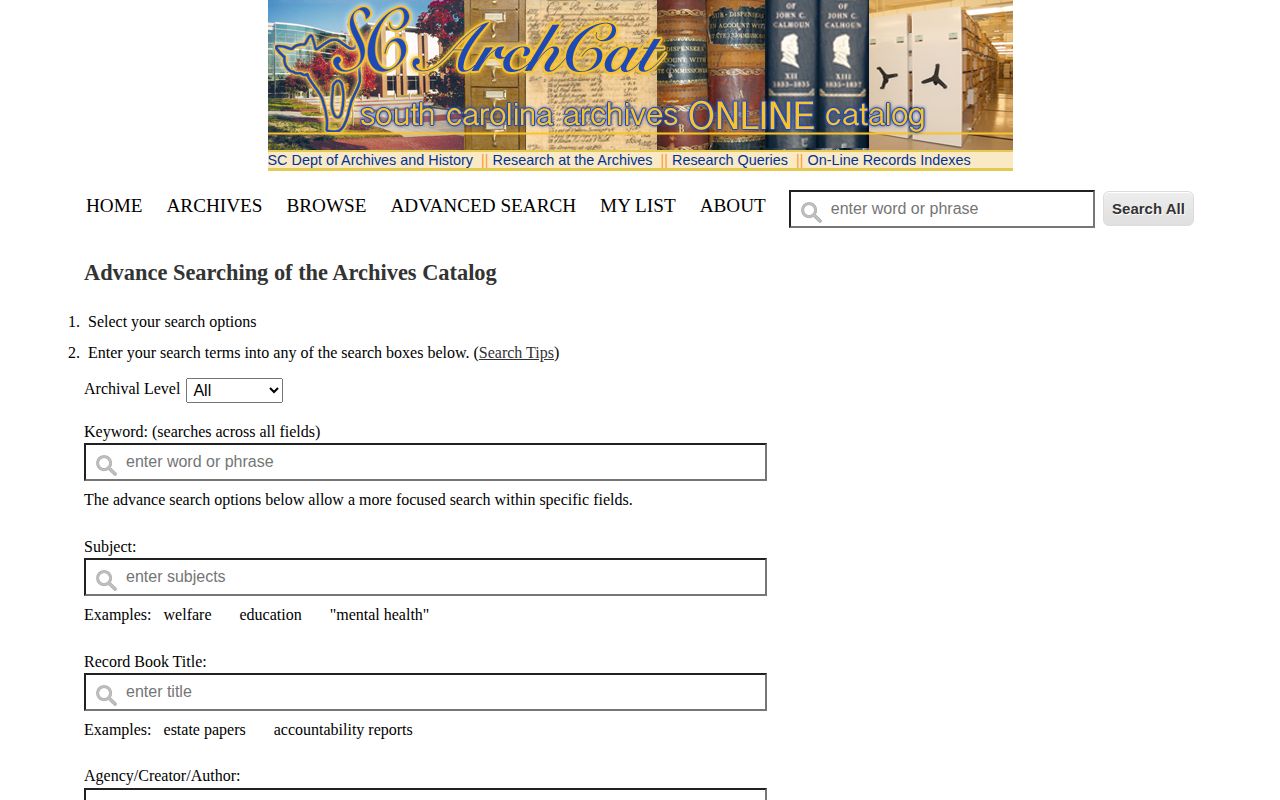
Think of the catalog as a discovery route for possible historical collections. It is not a searchable archive of current county booking photos.
Georgetown County Busted Mugshots by City
All three incorporated municipalities in Georgetown County feed into the same county detention path once someone enters GCDC custody. Each police department keeps its own incident and report records. None runs a separate official arrest roster, daily booking feed, or public city mugshot gallery. The city pages instead point to a local records contact and the shared county booking route.
- Georgetown Busted Mugshots: Georgetown Police Department arrests can appear in the GCDC agency field after county booking.
- Andrews Busted Mugshots: Andrews Police Department activity reaches GCDC only when a county booking occurs.
- Pawleys Island Busted Mugshots: a local encounter does not necessarily produce a GCDC card, so confirm an actual booking.
Official releases and local reporting have their own place in the picture, and the county's Crime News coverage shows where that fits after the detention record. A live warrant question belongs with the sheriff's official Warrants Unit, not a roster card.